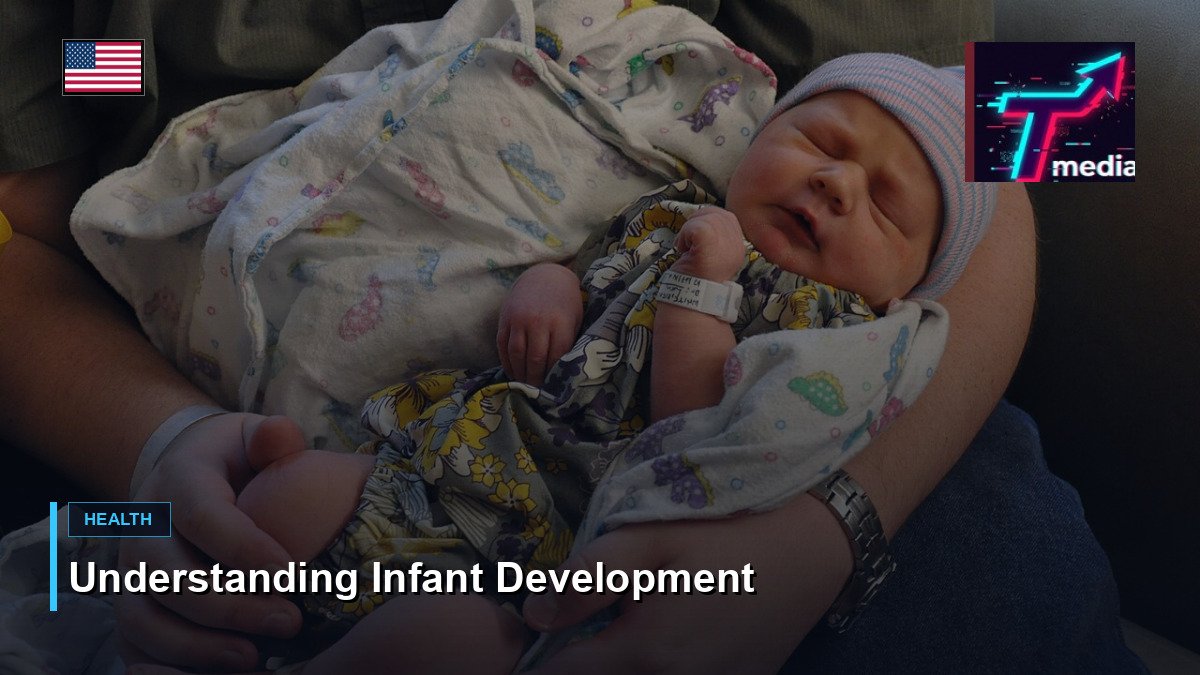
The first year of a child’s life is a period of rapid growth and development, laying the foundation for future physical, emotional, and cognitive abilities. As parents and caregivers navigate this critical phase, it’s essential to recognize the significance of early experiences in shaping an infant’s trajectory.
Key Takeaways & Core Analysis:
- Primary Development: Infants develop at an incredible rate, with significant advancements in motor skills, language, and social interaction during the first 12 months.
- Why It Matters: Early experiences, including parental interaction and environmental stimuli, play a crucial role in shaping an infant’s brain development, influencing future academic and social success.
Motor Skills and Physical Development
Infants begin to develop fundamental motor skills from birth, progressing from basic reflexes to more complex movements like crawling, sitting, and eventually walking. This physical development is closely tied to cognitive growth, as infants learn to navigate their environment and interact with objects.
Cognitive and Language Development
Cognitive development in infants is characterized by rapid advancements in problem-solving, memory, and language skills. As infants begin to understand and mimic sounds, they lay the groundwork for future communication and social interaction. Language development, in particular, is critical, with infants typically saying their first words around 12 months.
Emotional and Social Development
Emotional and social development are also vital components of an infant’s growth, with early experiences shaping their ability to form attachments, regulate emotions, and interact with others. Positive interactions with caregivers and a nurturing environment are essential for healthy emotional development.
Frequently Asked Questions
What are the most critical factors in infant development?
The most critical factors in infant development include a nurturing environment, positive interactions with caregivers, and access to necessary nutrients and healthcare. These elements work together to support physical, cognitive, and emotional growth.
How can parents support their infant’s development?
Parents can support their infant’s development by providing a stimulating environment, engaging in regular interaction and play, and ensuring access to regular healthcare check-ups. Responsive parenting, including sensitivity to an infant’s needs and emotions, is also crucial.
What are some common signs of healthy infant development?
Common signs of healthy infant development include meeting physical milestones like crawling and walking, demonstrating an understanding of language and beginning to communicate, and showing emotional regulation and attachment to caregivers.

